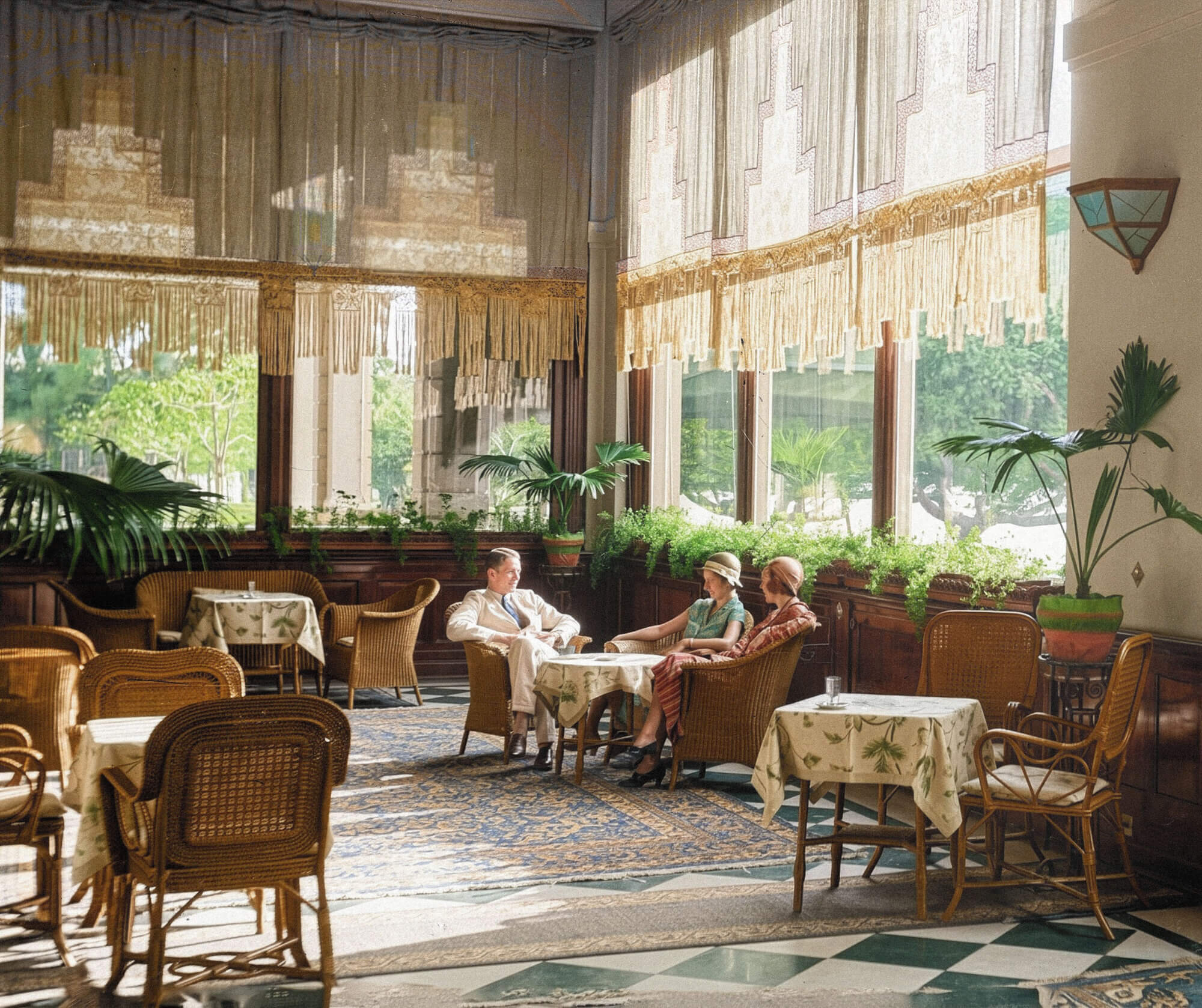
Echoes of Elegance — The Lost Luxury Hotels of Cairo
 Written by Christopher A. • 3 weeks ago
Shepheard’s Hotel (1848–1952)
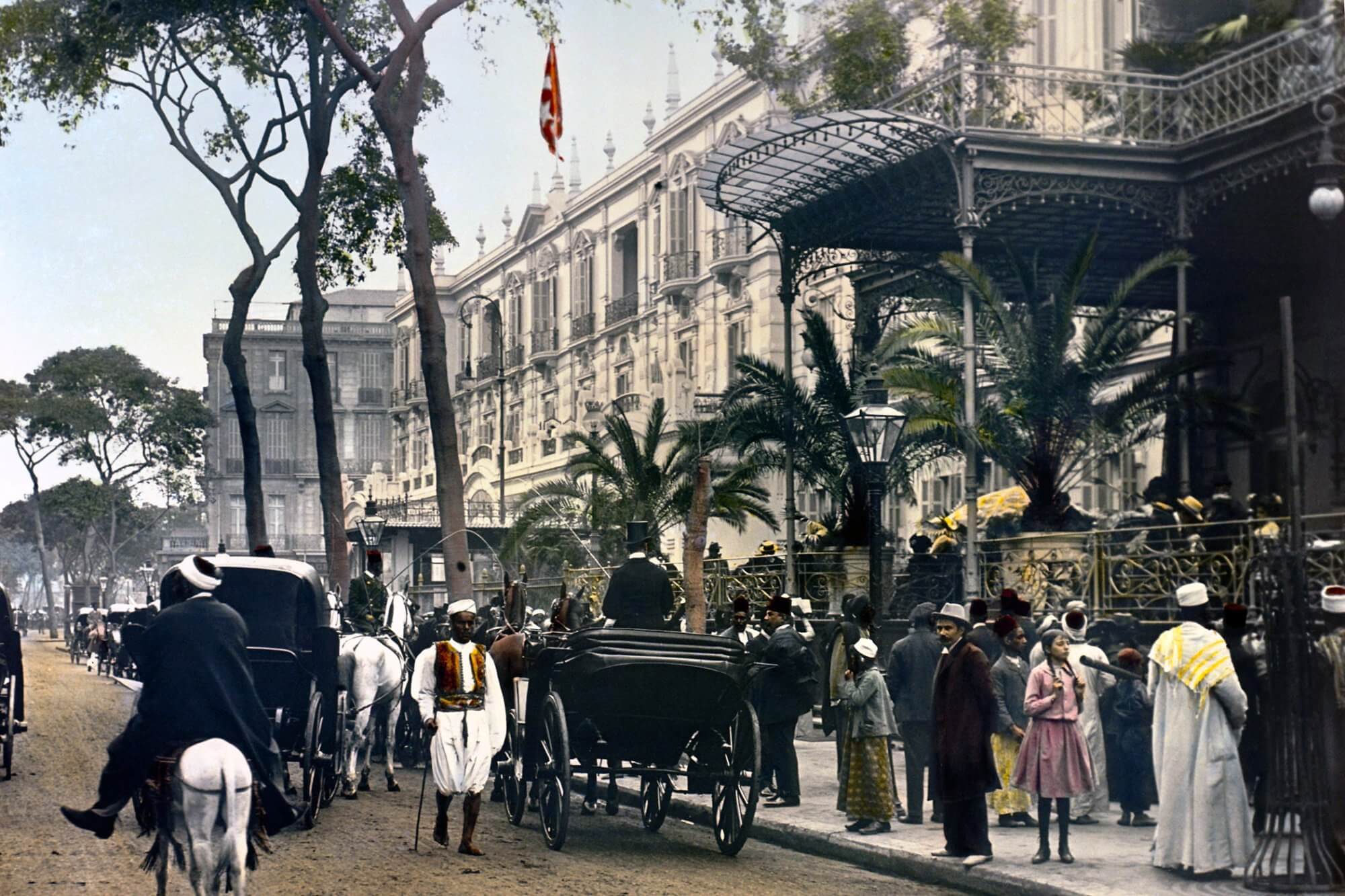
Situated on the bustling Ezbekiya Gardens, Shepheard’s offered a front-row seat to the lively pulse of Cairo’s cultural and social scene and stood as a symbol of elegance for over a century.
Established in 1841 as the Hotel des Anglais, it was renamed Shepheard’s Hotel in 1848 after its founder, Samuel Shepheard. Following a grand reconstruction in 1891, the landmark solidified its status as a premier cultural hub and the definitive destination for travelers and socialites in Cairo. With its neoclassical architecture and opulent Egyptian interiors adorned with columns and ornate chandeliers, the hotel exuded a timeless charm that drew visitors from around the world. From famous authors like Agatha Christie, who found inspiration within its walls, to political figures and dignitaries, such as Winston Churchill and King Farouk, Shepheard’s Hotel played host to an array of esteemed guests throughout its storied history.
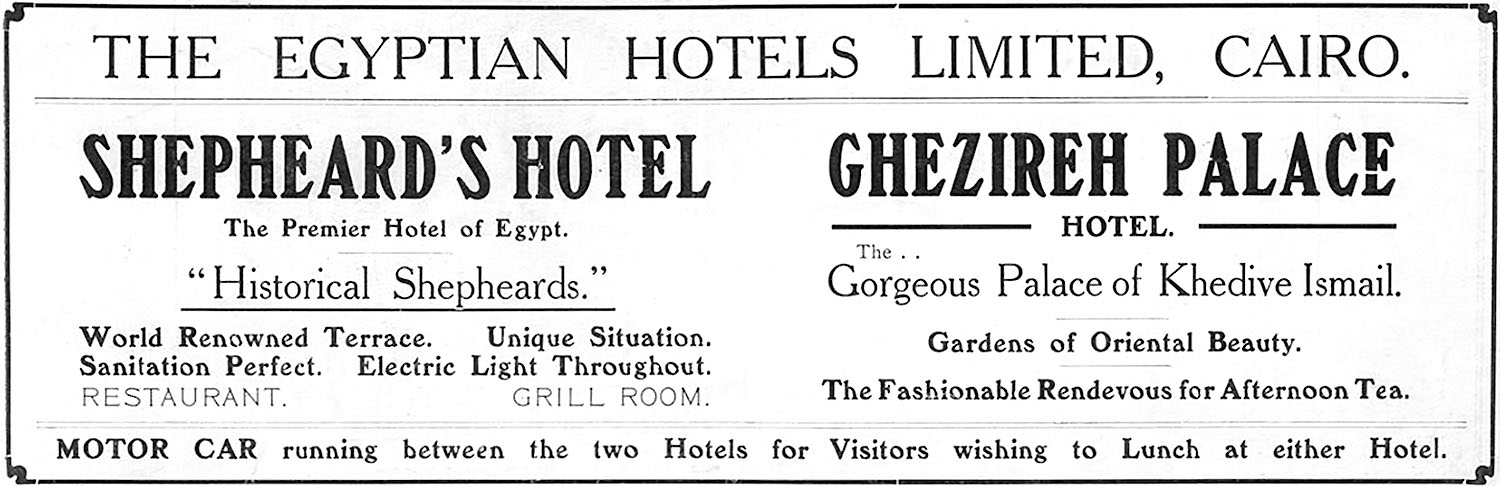
Located in the heart of Cairo, it offered its guests an unparalleled experience of the city’s vibrant culture, serving as the grand stage where the East and West met.
Shepheard’s was strategically positioned near the bustling Ezbekieh Gardens, providing a central location for visitors to explore the city’s attractions. Surrounding the hotel were Cairo’s vibrant souks, enchanting mosques, and ancient landmarks, inviting guests to immerse themselves in the rich cultural tapestry of the city. The hotel’s prime location served as a gateway to Cairo’s wonders. Within walking distance lay the winding streets of Islamic Cairo, where centuries-old mosques and architectural marvels awaited discovery. The sights, sounds, and scents of the vibrant city enveloped Shepheard’s, offering a tantalising glimpse into the soul of Cairo, where ancient history seamlessly blended with modern life.
Shepheard’s Hotel was renowned not only for its luxurious accommodations but also as a glamorous social hub where the rich and famous gathered. It was the place to see and be seen, attracting celebrities, dignitaries, and influential figures from around the world. The hotel’s opulent interiors and exquisite service made it a favored spot for socializing and networking among the elite.
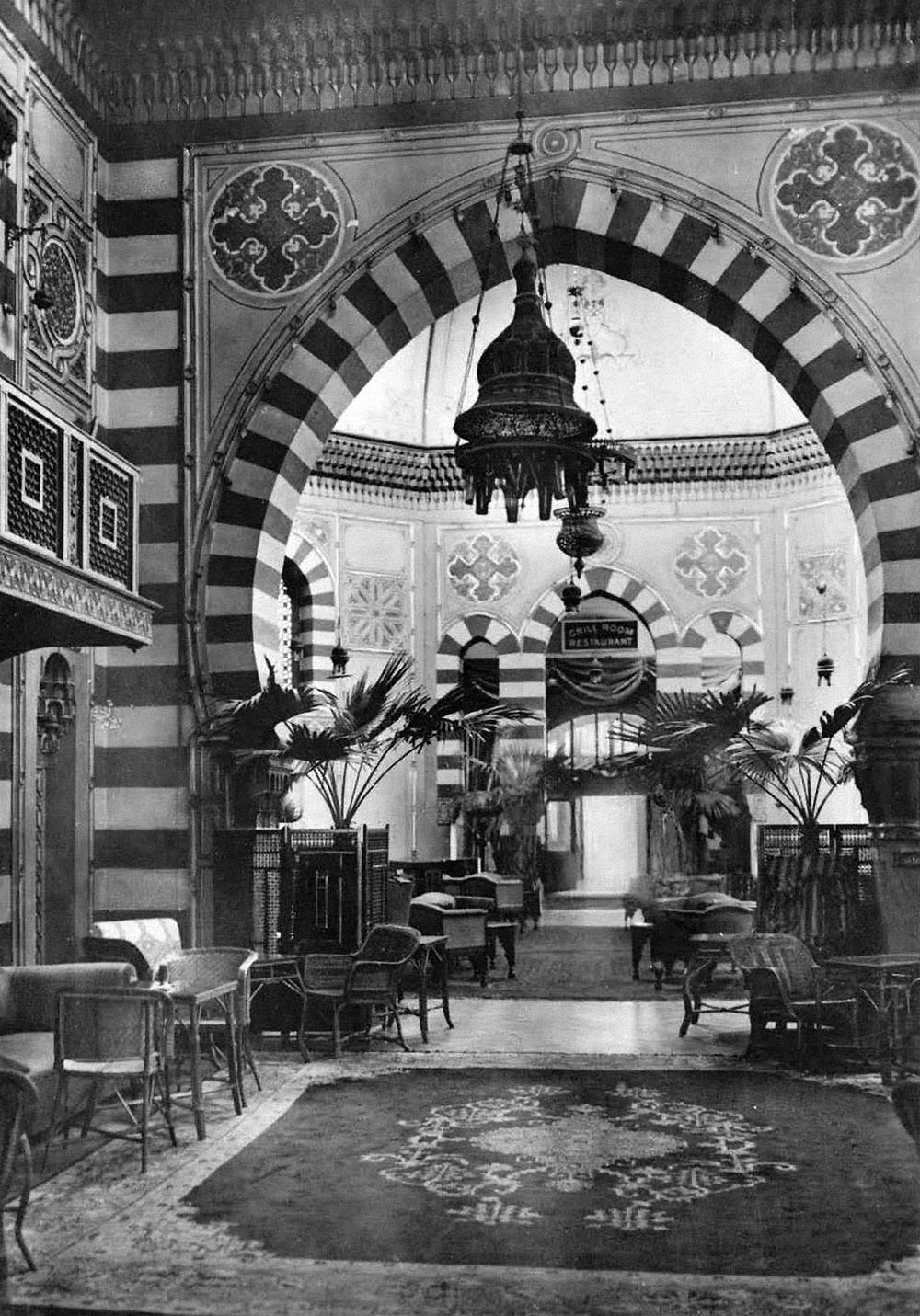

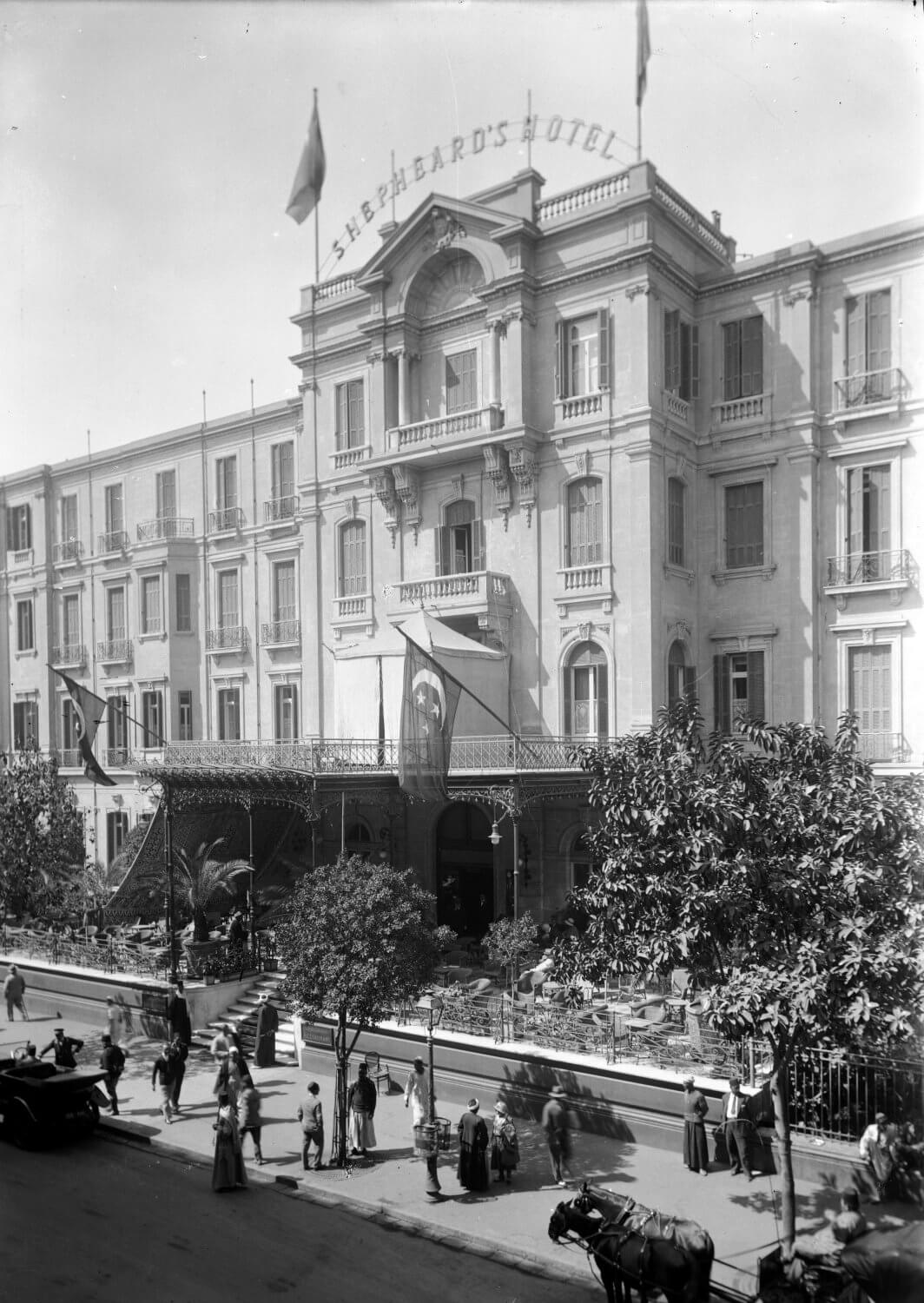
Beyond its architectural magnificence, Shepheard’s Hotel held an ineffable allure that transcended mere bricks and mortar.
Its halls echoed with tales of intrigue, whispered secrets, and timeless romances. The scent of freshly brewed coffee mingled with the perfume of exotic flowers, and the soft melodies of live orchestras drifted through the air. Guests would gather in the lavish dining room, swapping stories of their adventures along the Nile, while the clinking of crystal glasses and the laughter of newfound friendships filled the space.
Having headquarters at Shepheard’s Hotel gave us at once an Oriental environment. The central location of the building, with the opportunity, also, which the wide terrace afforded guests for making observations, offered us an immediate insight into the unique life of the city.
Ellen Mary Hayes Peck (1909)
Sadly, the grandeur of Shepheard’s Hotel met a tragic end. In 1952, during the Egyptian Revolution, the hotel was ravaged by fire, reducing its once magnificent structure to a mere shell.
The blaze consumed not only the physical embodiment of the hotel but also the intangible memories and connections woven into its fabric. The demise of Shepheard’s Hotel left a void in the hearts of those who had walked its hallowed halls, forever marking the end of an era. Today, while the physical building may be gone, the spirit of Shepheard’s Hotel lives on in the cherished memories and stories passed down through generations, a testament to its enduring legacy.
The Mandarin Oriental Hotel Group is preparing to debut the Mandarin Oriental Shepheard in the coming years. This ambitious project will replace the underwhelming 1957 structure, elevating the landmark to the world-class standards of luxury and service that guests expect from the brand.
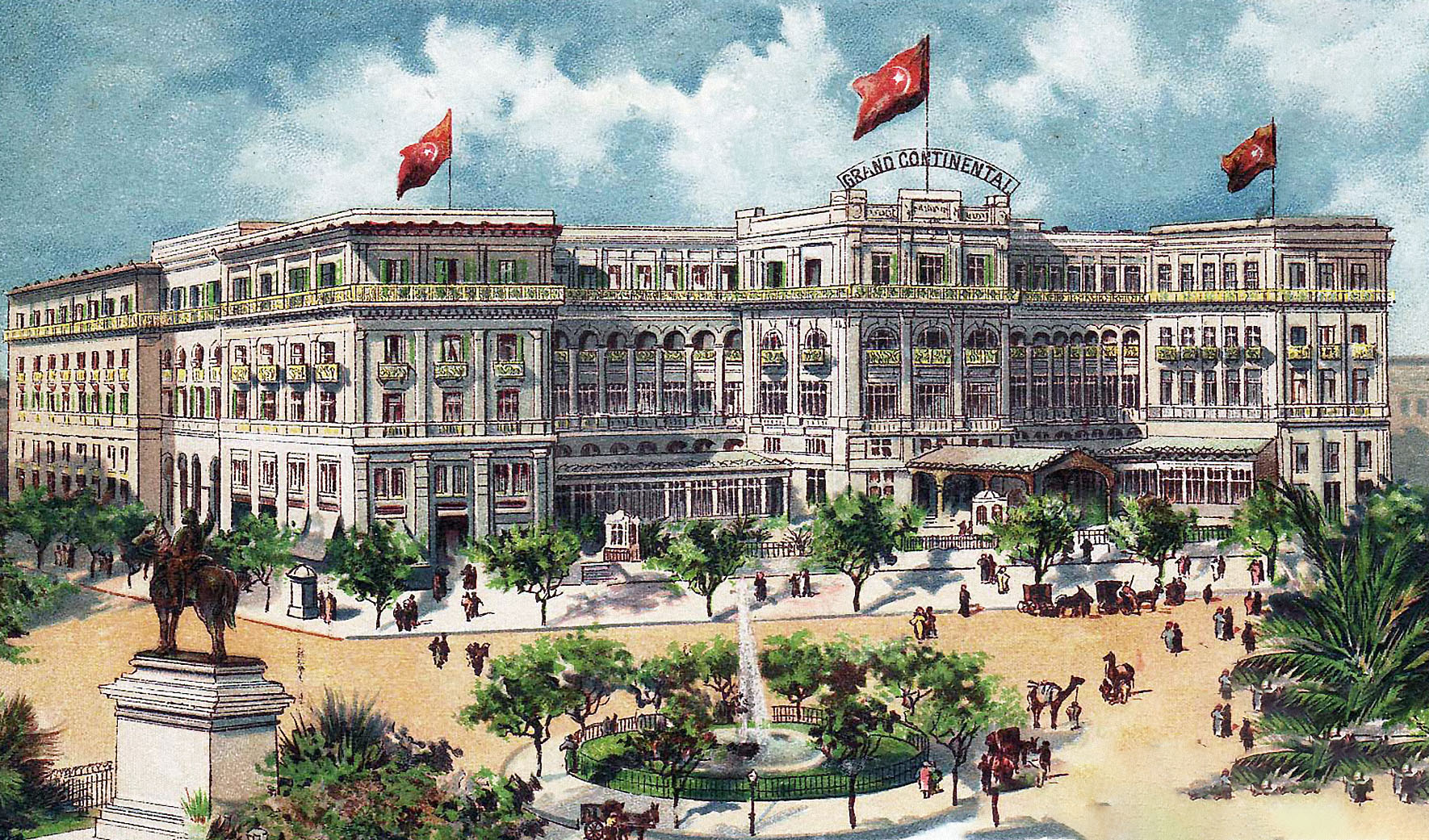
Grand Continental Hotel (1899 – 1980s)
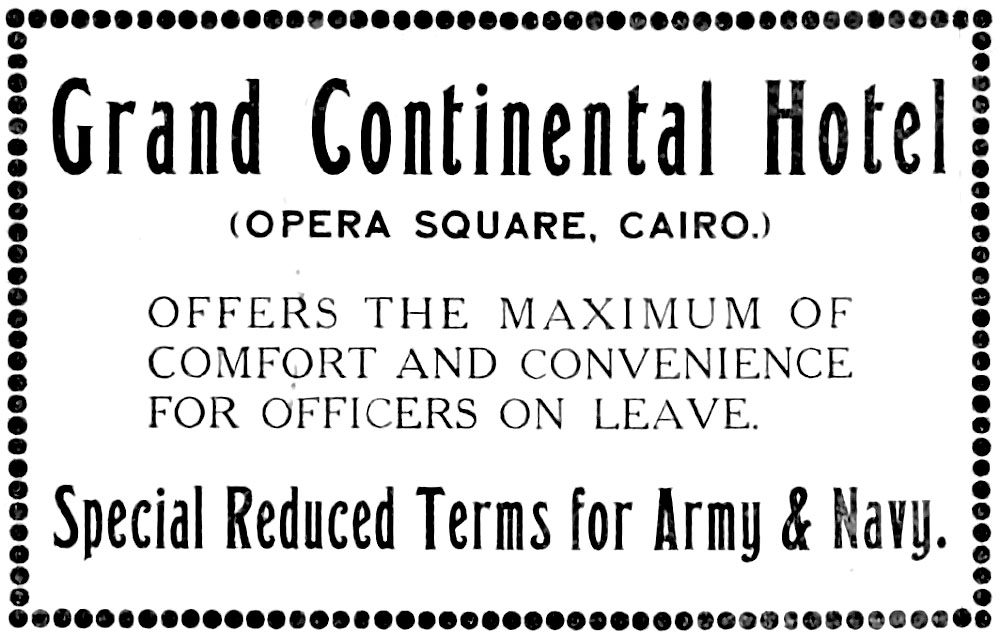
Nestled across the Opera Square in Cairo, the Grand Continental Hotel stood as a beacon of sophistication and glamour for almost a hundred years.
Established in the late 19th century, this architectural masterpiece was built upon the site of an older hotel and embraced a fusion of European and Egyptian design elements. Its striking façade showcased intricate detailing, with elegant balconies overlooking bustling streets. Upon entering the hotel, guests were greeted by a soaring atrium adorned with lavish chandeliers and adorned pillars, creating an atmosphere of timeless elegance. With its plush furnishings, ornate tapestries, and attentive staff, the Grand Continental Hotel offered a sanctuary of indulgence and refinement to its esteemed visitors.
The grand atrium, with its soaring ceilings, was indeed a sight to behold.
Lavish chandeliers hung majestically, casting a warm and inviting glow upon the guests as they made their way through the space. Adorned pillars, meticulously crafted with exquisite materials, added an air of grandeur and sophistication. Every corner of the hotel was adorned with ornate tapestries, intricate artwork, and luxurious furnishings that whispered tales of bygone eras, creating an atmosphere of unparalleled elegance.
At the heart of the Grand Continental Hotel, later renamed Continental Savoy, was its unwavering commitment to impeccable service. The dedicated staff, renowned for their attentiveness and discretion, catered to the desires and whims of the esteemed visitors. From personalised concierge services to meticulous housekeeping, every detail was carefully attended to, ensuring that guests felt truly pampered during their stay. The hotel became a sanctuary of indulgence and refinement, offering a respite from the bustling city outside its doors.
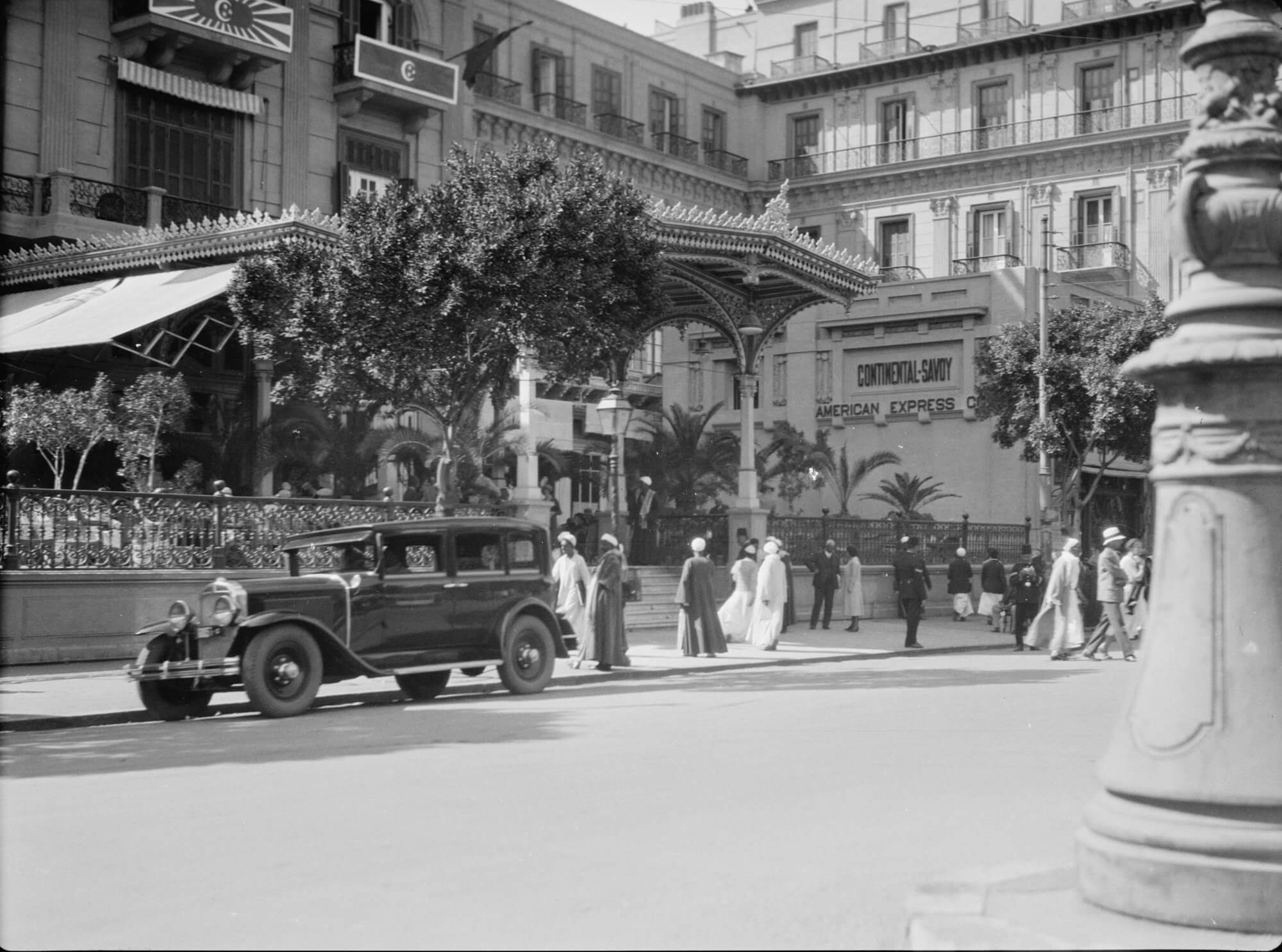
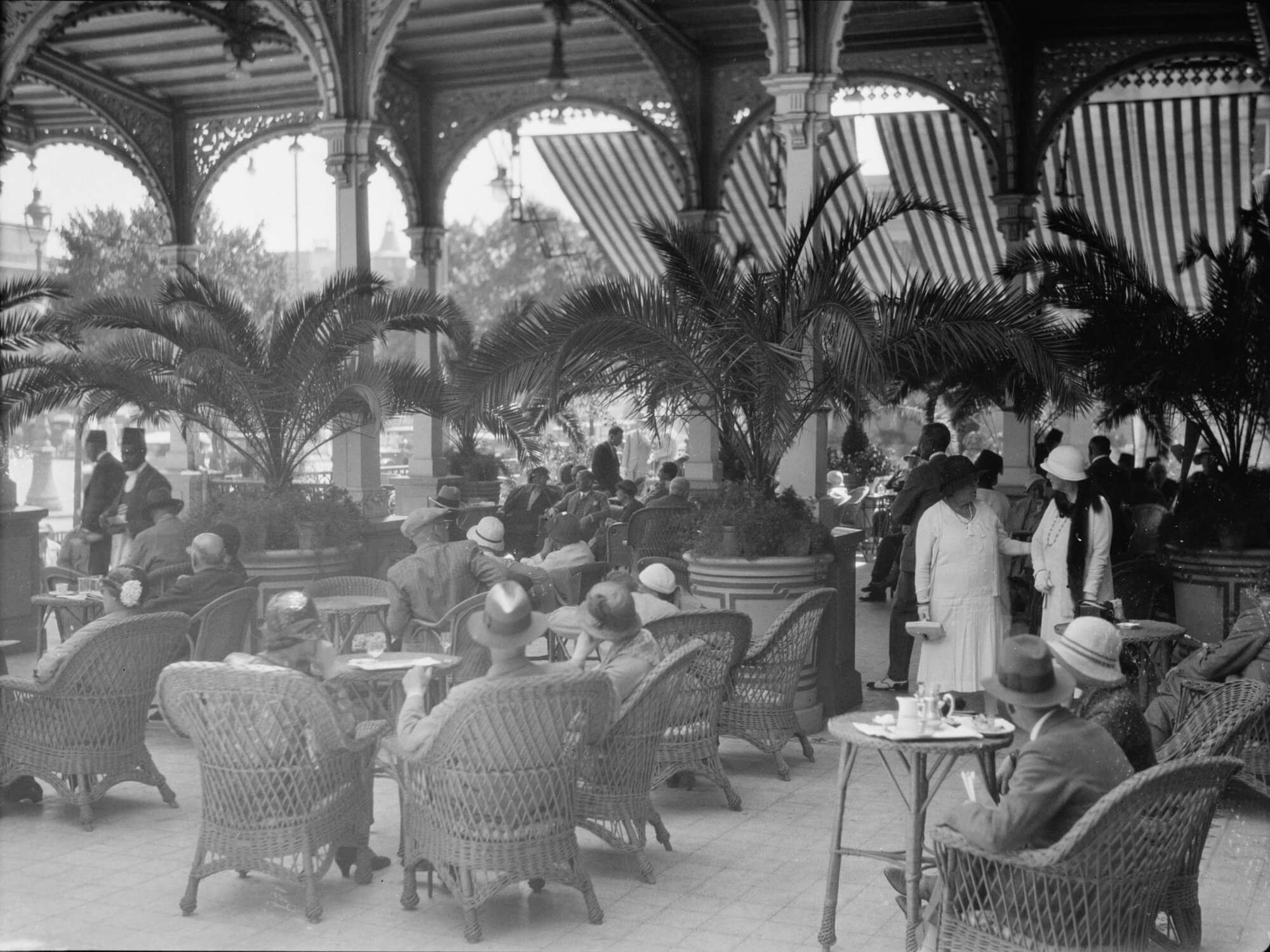
Over the years, the hotel’s guest book became a treasure trove of renowned names and captivating stories.
From literary icons such as Nobel laureate Naguib Mahfouz, who found inspiration within its walls, to political figures and cultural luminaries like King Farouk and renowned singer Umm Kulthum, the Grand Continental Hotel welcomed an illustrious cast of guests. It served as a meeting place for diplomats, artists, and intellectuals, where ideas flowed as freely as the aromas of freshly brewed coffee in the charming café. These hallowed halls witnessed whispered conversations, laughter, and the forging of lifelong friendships, leaving an indelible mark on the lives of those who stepped foot within its elegant chambers.
Dim memories include a soft drink in the bar, an old-fashioned lift of a kind I had never seen before, a funny smell, a bathroom, and indeed a decrepit feeling all over it.
Sabine Schleichert
The grandeur of the Grand Continental Hotel came to a devastating end. In the wake of political unrest and changing times, the hotel’s demise came in the form of neglect, fire and an earthquake.
Its once-majestic halls fell into disrepair, and the echoes of past elegance faded into silence. The building was ultimately demolished in 2018, erasing a piece of Cairo’s architectural heritage. However, the memories forged within its walls endure, carried in the hearts of those who experienced the magic of the Grand Continental Hotel, a place where dreams were nurtured and memories were born.
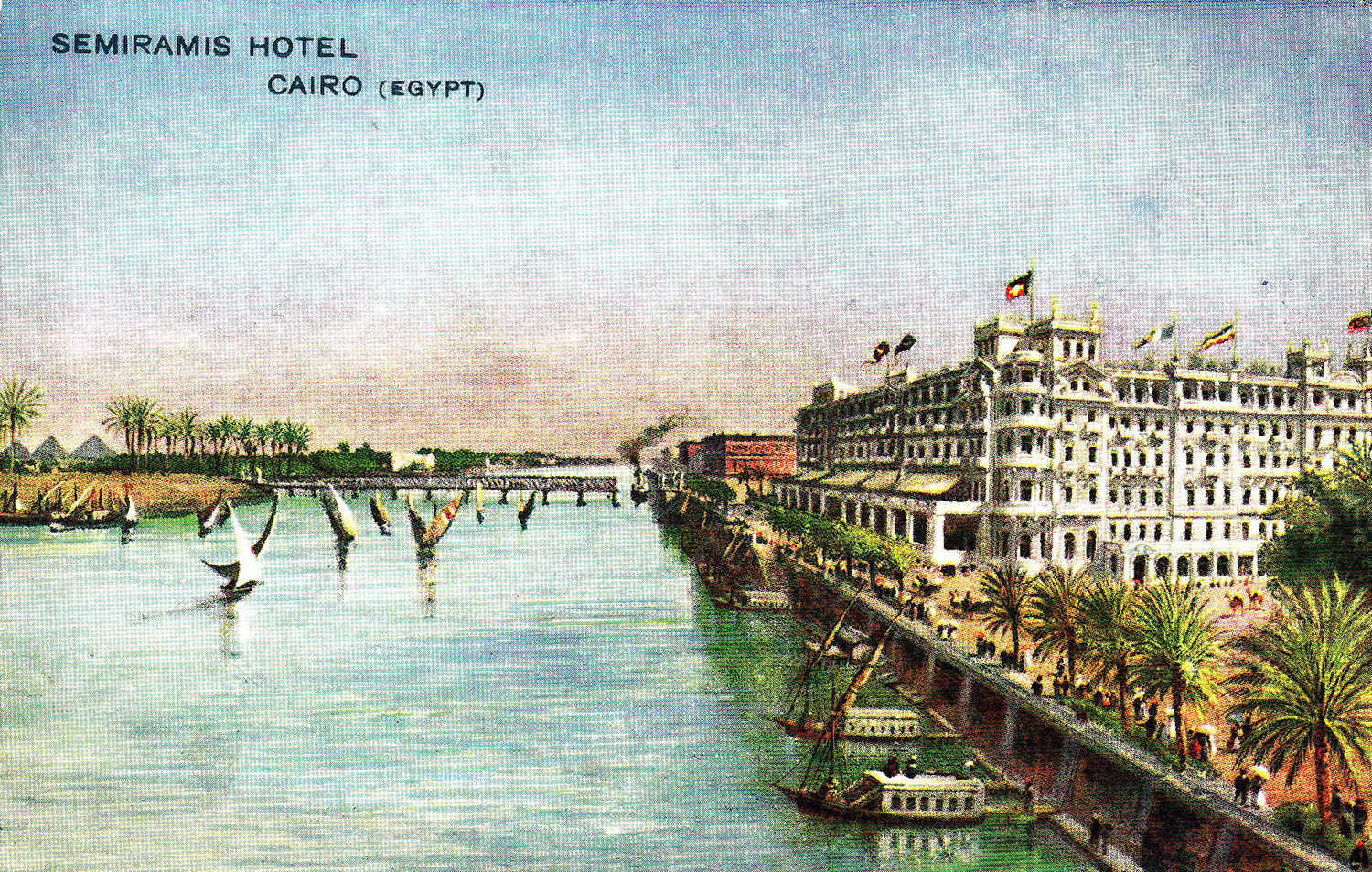
Semiramis Hotel (1907 – 1976)
Established in 1907, the hotel was named after the legendary Assyrian Queen Semiramis.
The architecture and style of the Semiramis Hotel were a blend of neo-Moorish and Belle Époque influences, creating a visually stunning and distinctive facade. Its grandeur was evident from the moment guests stepped through its doors. The interiors exuded opulence, featuring lavish furnishings, ornate chandeliers, and elegant decor. The hotel’s extensive gardens added to its charm, providing a serene escape in the heart of bustling Cairo.
The Semiramis Hotel was renowned for its exquisite architectural style, showcasing a fusion of neo-Moorish and Belle Époque influences.
The grand facade featured intricate details, arched windows, and ornate balconies, capturing the essence of old-world charm. Inside, the hotel’s interiors were opulent and refined, adorned with sumptuous furnishings, sparkling chandeliers, and artistic flourishes. The lush gardens surrounding the property provided a tranquil oasis amid the bustling city, enhancing the hotel’s allure.
Stepping inside the Semiramis Hotel was like entering a world of refined luxury. The opulent interiors were a testament to the hotel’s commitment to providing guests with an unforgettable experience. The lavish furnishings, upholstered in rich fabrics and adorned with intricate patterns, exuded a sense of grandeur. The sparkling chandeliers, crafted with precision and adorned with shimmering crystals, cast a warm and inviting glow throughout the space. Artistic flourishes, such as beautifully painted murals and ornamental plasterwork, adorned the walls and ceilings, further enhancing the hotel’s aesthetic appeal.
Beyond its architectural splendor, the Semiramis Hotel was blessed with lush gardens that enveloped the property.
These meticulously landscaped grounds provided a serene and verdant oasis in the heart of the bustling city. Guests could wander along meandering paths, taking in the vibrant colors of blooming flowers, the fragrance of exotic plants, and the soothing sounds of trickling fountains. The verdant foliage created a sense of tranquility, allowing visitors to retreat from the noise and chaos of the urban environment. The gardens became a cherished space for relaxation, strolls, and intimate conversations, adding another layer of allure to the Semiramis Hotel’s appeal.
The last glimpse of the Nile will never be forgotten. The occasion was an invitation to indulge in afternoon tea at the Hotel Semiramis. We lingered on for the sunset, which first appeared as a flaming ball of fire … fading into those more delicate tones that prelude the twilight.
Ellen Mary Hayes Peck (1909)
Throughout its existence, the Semiramis Hotel played host to a multitude of famous guests, leaving an indelible mark on its history.
The hotel welcomed esteemed visitors from all walks of life, including notable politicians, artists, writers, and entertainers. Agatha Christie, the renowned crime novelist, found inspiration within the hotel’s walls while staying there. Winston Churchill, the revered British statesman, frequented the Semiramis during his visits to Cairo. Additionally, the hotel attracted luminaries such as Jean Cocteau, the influential French writer and filmmaker, further solidifying its reputation as a preferred destination for the elite.
Sadly, in 1976, the Semiramis Hotel closed its doors, marking the end of an era.
The closure was attributed to changing market dynamics and the emergence of newer, more modern hotels in Cairo. Although the original structure of the Semiramis Hotel is no longer standing, its memory continues to linger in the hearts and minds of those who experienced it. It remains a symbol of a bygone era, embodying the elegance, sophistication, and timeless allure of Cairo’s hospitality scene in the early 20th century. A replacement baring its namesake was erected in 1988 but does not live up to the original style and magnificence of the original hotel.